


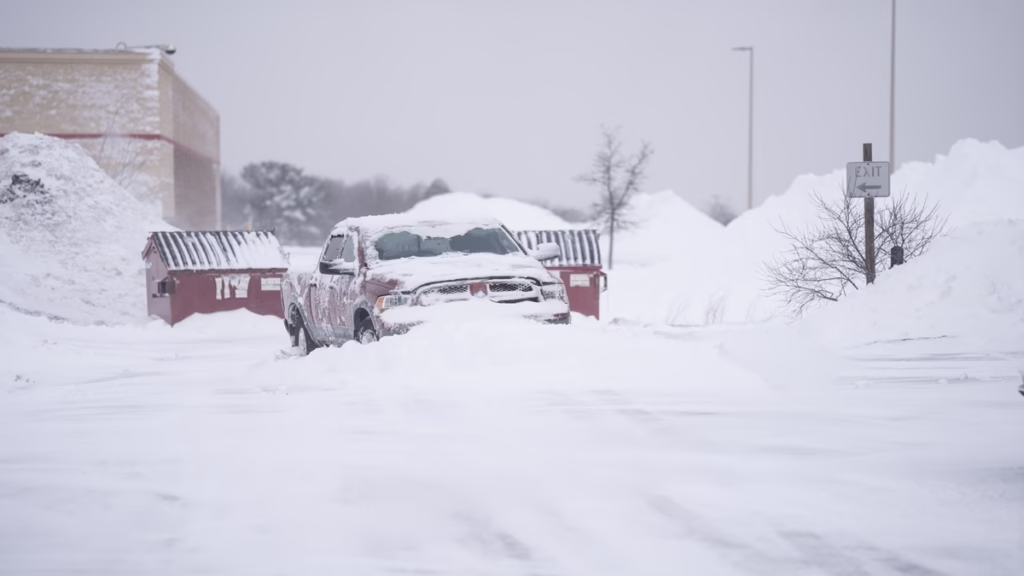
The United States has been battered by one of the most powerful winter systems in recent memory, a storm that rapidly intensified into what meteorologists call a bomb cyclone. This phenomenon, marked by a sudden and dramatic drop in atmospheric pressure, has unleashed blizzard conditions across the Midwest and Northeast, disrupting daily life, crippling travel, and raising serious concerns about public safety.
What Is a Bomb Cyclone?
A bomb cyclone occurs when a storm’s central pressure falls by at least 24 millibars within 24 hours. This rapid intensification creates hurricane‑like wind speeds combined with heavy snow or rain. In the case of Winter Storm Ezra, the system strengthened so quickly that it met the criteria for bombogenesis, producing fierce winds, whiteout conditions, and dangerously low wind chills.
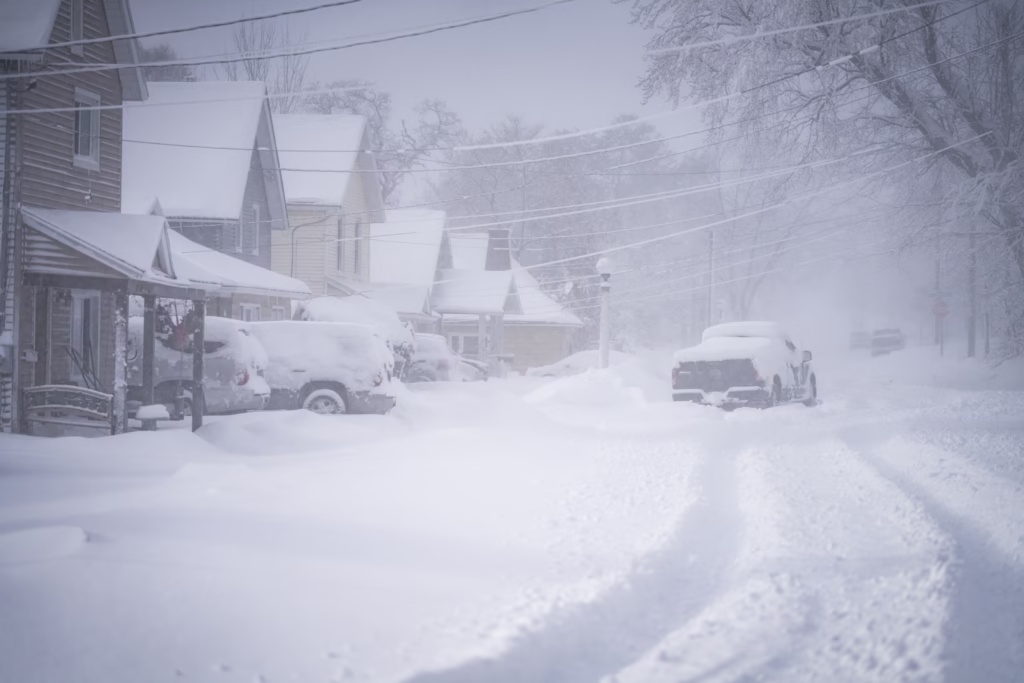
Meteorologists explain that the clash between an arctic front and warmer air masses over the Great Lakes and Midwest fueled this explosive development. The result was a sprawling storm system stretching from Montana to Maine and as far south as Texas and Pennsylvania.
Impact Across the Midwest
The Midwest bore the brunt of the storm as it first intensified. Cities like Minneapolis, Chicago, and Detroit reported snowfall totals exceeding 10–12 inches, with inland areas recording even higher amounts. Winds gusting over 50 miles per hour created near‑zero visibility, forcing authorities to issue no‑travel advisories.
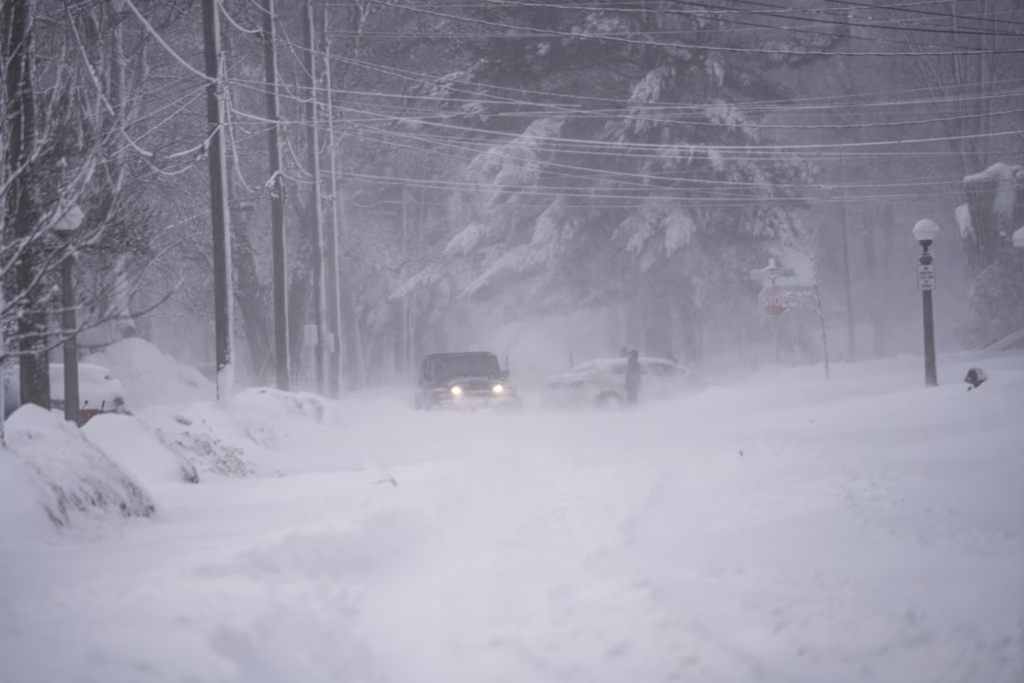
Road conditions deteriorated rapidly, with ice and drifting snow making highways impassable. Emergency services struggled to respond to accidents, and several states activated National Guard units to assist stranded motorists. In Illinois, the storm’s instability even spawned a rare winter tornado, underscoring the unpredictable nature of such extreme weather.
Northeast Disruptions
As the storm tracked eastward, the Northeast faced its own set of challenges. Heavy snow blanketed New York, Boston, and Philadelphia, while coastal areas contended with flooding from storm surges. Power outages spread across multiple states as ice and wind toppled trees and power lines.
Major airports, including Boston Logan, Newark Liberty, and Washington Dulles, saw thousands of cancellations and delays. According to FlightAware, nearly 6,000 flights were delayed and more than 750 canceled in a single day. For travelers hoping to reach loved ones during the holiday season, the timing could not have been worse.
Human Toll and Community Response
Beyond statistics, the storm’s human impact has been profound. Families were left without heat in subzero temperatures, prompting the opening of emergency warming shelters. Volunteers and local organizations mobilized to provide food, blankets, and medical assistance.
In Minneapolis, residents helped one another dig out cars and clear sidewalks. Social media was flooded with images of snow‑covered streets, stranded travelers, and communities banding together. While the storm tested resilience, it also highlighted the strength of collective response in times of crisis.
Economic and Infrastructure Strain
The economic consequences of Winter Storm Ezra are significant. Airlines faced massive losses due to cancellations, while shipping and logistics companies struggled to maintain schedules. Retailers reported delays in holiday deliveries, and energy providers grappled with surging demand for heating amid widespread outages.
Infrastructure, too, came under strain. Roads required constant plowing, salt supplies dwindled, and utility crews worked around the clock to restore power. The storm exposed vulnerabilities in aging grids and transportation networks, raising questions about preparedness for increasingly volatile weather patterns.
Climate Context
While winter storms are not unusual, the intensity and frequency of extreme events have sparked debate about climate change. Scientists caution against attributing any single storm directly to global warming, but they note that warmer oceans and shifting jet streams can contribute to more powerful systems.
The bomb cyclone phenomenon, once considered rare, has appeared more frequently in recent years. This trend suggests that communities may need to adapt to harsher winters, even as summers grow hotter. The dual extremes underscore the complexity of a changing climate.
Looking Ahead
The National Weather Service warned that hazardous conditions could persist for several days. As the storm moves offshore, lake‑effect snow is expected to continue in the Great Lakes region, while icy conditions linger in the Northeast. Authorities urge residents to remain cautious, avoid unnecessary travel, and check on vulnerable neighbors.
Recovery will take time. Clearing roads, restoring power, and resuming normal operations may stretch well into the New Year. For many, the storm has been a stark reminder of nature’s power and the importance of preparedness.
Conclusion
Winter Storm Ezra, the bomb cyclone of December 2025, will be remembered not only for its ferocity but also for its timing during one of the busiest travel periods of the year. It disrupted lives, strained infrastructure, and highlighted both vulnerabilities and resilience across the nation.
As communities dig out and reflect, the storm serves as a powerful case study in the intersection of meteorology, human response, and climate dynamics. It underscores the need for robust emergency planning, investment in infrastructure, and continued scientific research to better understand and anticipate the storms of tomorrow.

