
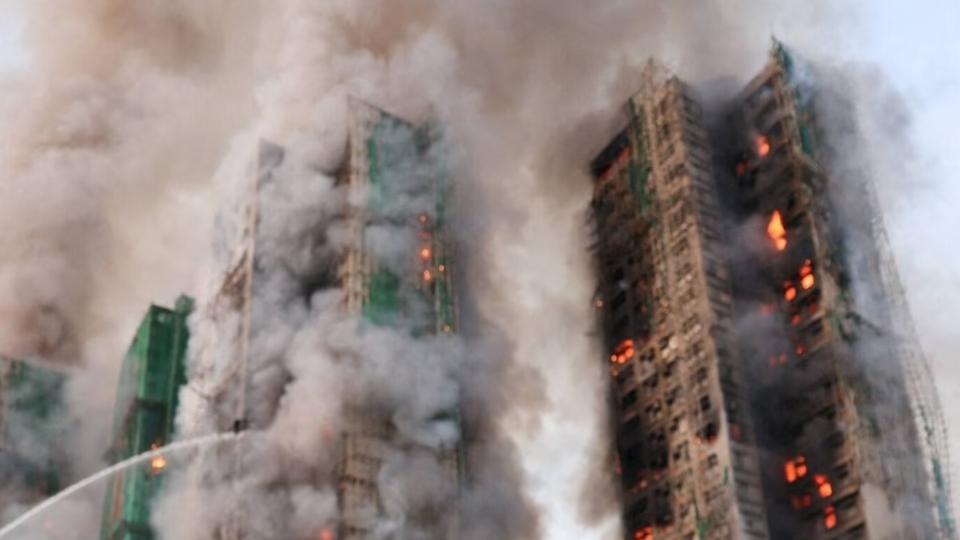
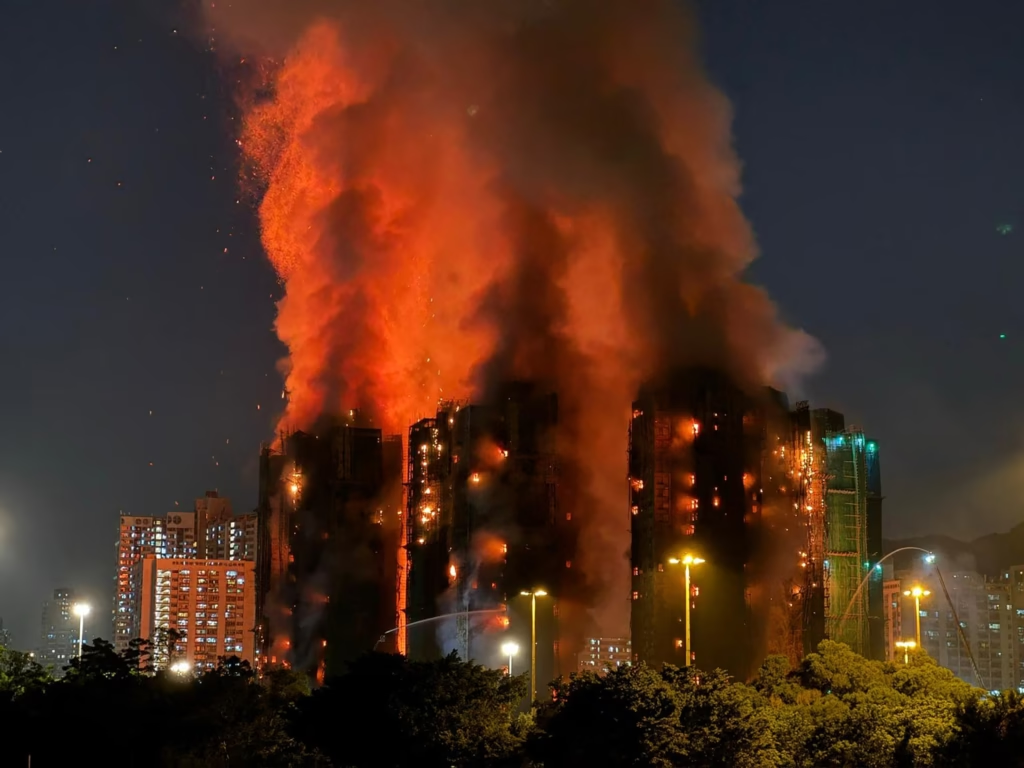
Hong Kong is reeling from one of the most devastating fire disasters in its modern history, after a massive blaze tore through multiple residential towers in the Wang Fuk Court housing complex in the Tai Po district. The fire, which began on November 26, has resulted in a staggering loss of life and widespread destruction, prompting citywide mourning and a large‑scale investigation.
According to official updates, the death toll has climbed to at least 128 people, with more than 200 residents still unaccounted for as rescue teams continue to search the charred buildings. The incident has been described as Hong Kong’s deadliest fire in nearly a century, surpassing previous high‑casualty urban fires in the region.
How the Fire Started and Spread
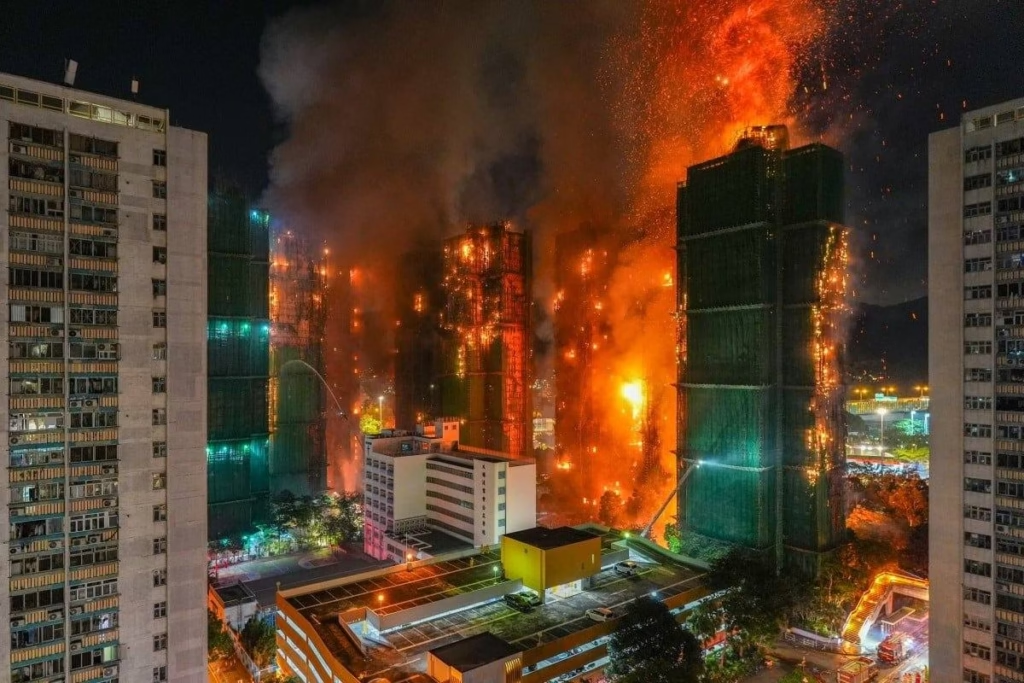
Authorities are still investigating the exact cause of the blaze, but early findings suggest that flammable construction materials, bamboo scaffolding, and failed fire alarms contributed to the rapid spread of flames across the high‑rise structures. The complex had been undergoing renovation work, and large quantities of polyurethane foam and other combustible materials were present on site, which may have accelerated the fire’s intensity.
A video circulating online showed a worker smoking near the building shortly before the fire erupted, though officials have not confirmed whether this played any role in triggering the disaster.
A Race Against Time for Firefighters
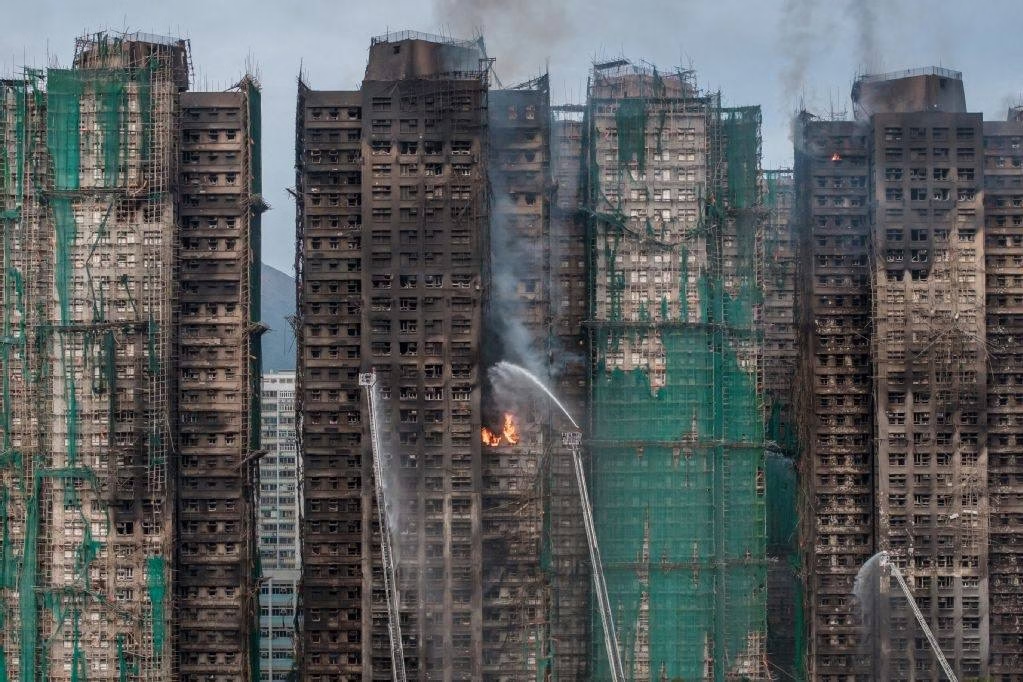
The fire engulfed seven of the estate’s eight residential towers, with flames visible from kilometers away. Firefighters battled the blaze for more than 16 hours, managing to bring four buildings under control by early Thursday morning, while three others continued to burn.
At least 79 people were injured, including 12 firefighters, many of whom suffered burns and smoke inhalation while attempting to rescue trapped residents. More than 900 people were evacuated to temporary shelters as emergency teams worked through the night to reach those stranded on upper floors.
Arrests and Criminal Investigation
Hong Kong Police have arrested three men linked to the construction company responsible for renovation work at the complex. They are being investigated for suspected manslaughter, amid allegations of safety lapses and improper handling of flammable materials.
Officials say the arrests are part of a broader probe into whether negligence contributed to the scale of the tragedy.
City Declares Three Days of Mourning
In response to the unprecedented loss of life, Hong Kong authorities have declared three days of official mourning, with flags at government buildings flown at half‑mast. The city’s leadership has pledged full support for affected families and promised a transparent investigation into the incident.
Rescue teams continue to retrieve bodies from the debris, many wrapped in black bags as they are carried out of the damaged towers. The grim scenes have shocked residents across the city, with many calling for stricter building safety regulations and better oversight of construction practices.
Why the Fire Was So Deadly
Experts point to several factors that made this fire particularly catastrophic:
- Bamboo scaffolding, commonly used in Hong Kong construction, caught fire easily and acted as a vertical channel for flames
- Renovation materials, including polyurethane foam, burned rapidly and produced toxic smoke
- Fire alarms reportedly malfunctioned, delaying evacuation efforts
- High population density in the estate meant more residents were at risk
The combination of these conditions created what investigators describe as a “perfect storm” for a large‑scale disaster.
A City in Shock, and Questions Ahead
As rescue operations continue, Hong Kong faces difficult questions about building safety, renovation oversight, and emergency preparedness. The tragedy has sparked renewed debate over the city’s reliance on bamboo scaffolding and the need for stricter fire‑safety enforcement in aging residential complexes.
For now, the focus remains on supporting survivors, locating the missing, and understanding how such a devastating event unfolded in one of the world’s most densely populated urban centers.