
Indore, Madhya Pradesh :
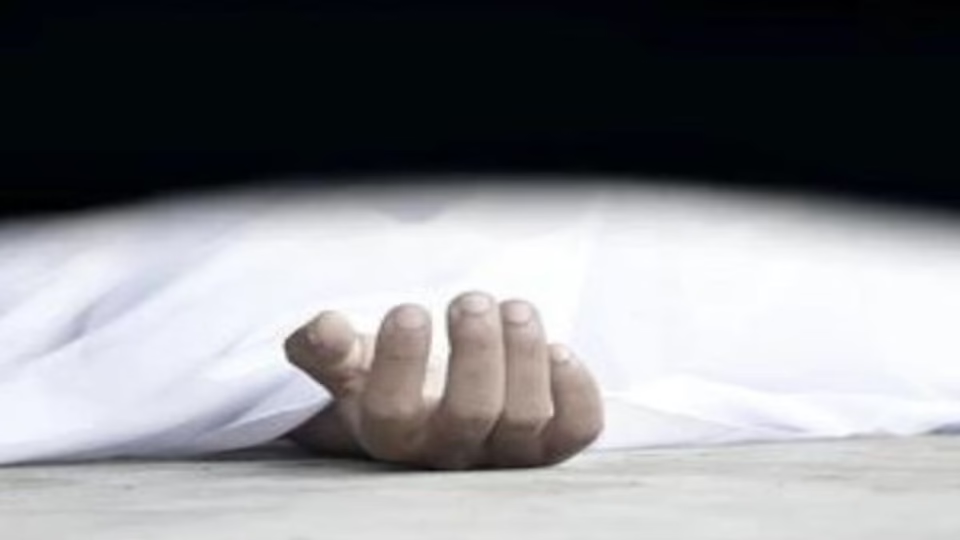
A 70-year-old man in Indore stunned his family and neighbours when he regained consciousness just hours before his scheduled funeral, prompting fresh questions about the medical procedures that preceded the declaration of death and highlighting the emotional toll such events inflict on loved ones.
Background :
According to accounts from the family, the elder had been treated for a serious neurological condition and had shown little response in hospital; after clinicians advised that chances of recovery were minimal, the family prepared for last rites. The sudden return of signs of life forced an immediate halt to funeral preparations and sparked a chaotic, emotional scene as relatives scrambled to seek urgent medical attention.
The sequence of events in cases like this often raises two broad concerns: first, the challenge of diagnosing irreversible cessation of life in resource-constrained or emotionally fraught settings; second, the procedural gaps that can exist between hospital discharge, decisions about end-of-life care, and what happens when a body is moved for last rites. Families frequently rely on hospital staff for guidance, and when a patient is taken home for final moments, any unexpected change can be traumatic. In this instance, the family reported that the man, previously described as unresponsive, began breathing and showed signs of consciousness after being brought back into the home environment, prompting an urgent return to hospital care and a fresh round of medical assessment.
Medical experts stress that while spontaneous recovery from apparent clinical death is exceedingly rare, there are documented instances of patients regaining consciousness after prolonged periods of unresponsiveness, especially when the initial diagnosis is complicated by conditions such as severe metabolic disturbances, hypothermia, or certain neurological events. This case underscores the importance of thorough and repeated assessment before declaring death, as well as transparent communication with families about prognosis, possible outcomes, and the limits of medical certainty. Families who face such high-stakes decisions benefit from clear explanations of what tests were performed, whether brain death criteria were applied, and what follow-up monitoring is recommended.
Beyond the clinical dimension, the social and cultural consequences are profound. Preparing for last rites is not merely a logistical act but a deeply symbolic rite that helps communities process grief and closure. A reversal at that stage can reopen wounds, lead to disputes about medical accountability, and trigger investigations by authorities if there are questions about negligence or procedural lapses. In many communities, such events also attract intense local attention and media coverage, which can amplify the family’s distress and complicate efforts by medical teams to provide calm, coordinated care.
For the immediate future, the patient’s condition will determine the next steps: continued intensive medical support, rehabilitation if neurological function can be recovered, and careful evaluation to identify the underlying cause of the initial collapse. The family’s priority, understandably, will be recovery and clarity; for clinicians, this episode is a reminder of the need for rigorous standards when pronouncing death and compassionate, precise communication with those who must make heartbreaking choices.
Cases like this also prompt policy conversations about end-of-life protocols, particularly in settings where post-discharge funerary arrangements are common. Strengthening guidelines around confirmation of death, ensuring access to second opinions when families desire them, and improving public awareness about medical limits can reduce the likelihood of similar traumatic reversals. Meanwhile, the Indore family must cope with the emotional whiplash of hope and fear while medical teams work to stabilise the elder and provide a clear prognosis.