

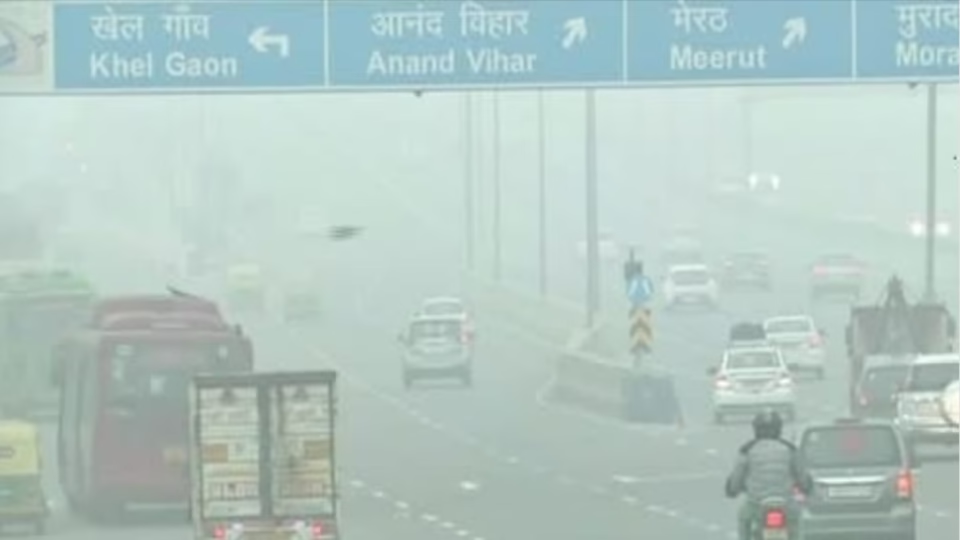
New Delhi : Delhi has just wrapped up its coldest November in five years, with the India Meteorological Department (IMD) confirming that the average minimum temperature for the month dipped to 11.5°C. The unusual chill, combined with fluctuating air‑quality levels, created a month of sharp contrasts for residents of the national capital.
A November Defined by an Early Winter Chill
According to IMD data, the last time Delhi experienced a colder November was in 2020, when the average minimum temperature had dropped to 10.3°C. Since then, November temperatures have remained relatively higher, making this year’s dip particularly notable.
The IMD’s comparison of recent years highlights the trend clearly:
- 2024: 14.7°C
- 2023: 12°C
- 2022: 12.3°C
- 2021: 11.9°C
- 2025: 11.5°C (current year)
This year’s average minimum temperature is significantly lower than the previous four years, marking a sharp return to colder early‑winter conditions.
Sharp Drops in Minimum Temperatures
The cold spell was especially noticeable during the final week of November. On one of the coldest mornings, the minimum temperature dipped to 8°C, the lowest November reading since 2022. This was three degrees below normal, signaling an early onset of winter‑like conditions.
On November 29, the city recorded a minimum of 10.4°C, which was slightly above normal but still part of the broader cold trend. The day before, temperatures had dipped even lower, making the slight rise feel like temporary relief.
Why Was November So Cold This Year?
Meteorologists attribute the colder‑than‑usual November to a combination of factors:
- Clear skies, which allow heat to escape rapidly at night
- Dry northwesterly winds, common during this season
- Lack of rainfall, which typically moderates temperature swings
This year, Delhi recorded zero rainy days in November, continuing a dry spell that has persisted for months. Without cloud cover or moisture, nighttime temperatures dropped sharply.
Daytime Temperatures Also Lower Than Usual
It wasn’t just the nights that felt colder. The average maximum temperature for November stood at 27.7°C, lower than last year’s daytime averages. While daytime conditions were still comfortable, the cooler highs contributed to an overall sense of early winter setting in.
Air Quality: A Tale of Two Extremes
While temperatures dipped, Delhi’s air quality fluctuated dramatically throughout the month.
On some days, the city’s Air Quality Index (AQI) slipped into the “hazardous” category, especially during periods of stagnant winds and increased pollution load. However, by the end of the month, there was a noticeable improvement.
On November 30, the AQI stood at 270, placing it in the “poor” category-an improvement from the “very poor” and “severe” levels seen earlier in the month. Though still unhealthy, the drop in pollution levels offered some respite to residents.
Impact on Daily Life
The colder‑than‑usual November had a visible impact across the city:
- Morning walkers and cyclists were seen bundled up earlier than usual.
- Schools reported students arriving in sweaters weeks before winter uniforms typically begin.
- Street vendors selling tea, peanuts, and winter wear saw an early surge in demand.
- Homeless shelters began filling up sooner than expected, prompting civic agencies to prepare additional night shelters.
The combination of cold and pollution also led to an uptick in respiratory complaints, with doctors advising vulnerable groups—especially children and the elderly—to limit early‑morning outdoor exposure.
Regional Weather Patterns
The cold wave wasn’t limited to Delhi. Neighboring states, particularly Rajasthan, also reported intensifying cold conditions, with IMD forecasting further dips in temperature across the region.
North India typically experiences a gradual transition into winter, but this year’s early chill suggests that December and January could be colder than average.
What Meteorologists Expect Next
IMD officials predict that temperatures may continue to fall in the coming days as winter sets in more firmly. With no major western disturbances expected immediately, the dry and cold conditions are likely to persist.
However, meteorologists also caution that pollution levels may worsen during colder spells, as cold air tends to trap pollutants closer to the ground.
A Month That Felt Like Winter Arrived Early
For many Delhi residents, November 2025 felt like a preview of the winter ahead. The combination of:
- Lowest average minimum temperature in five years,
- Dry weather,
- Sharp early‑morning chills, and
- Fluctuating air quality,
created a month that was both refreshing and challenging.
While the cold brought relief from the extended heat of the preceding months, the accompanying pollution spikes served as a reminder of the city’s ongoing environmental challenges.
Looking Ahead
As Delhi moves into December, the city is bracing for deeper winter conditions. Authorities are preparing for increased demand at night shelters, while health experts continue to urge caution regarding pollution exposure.
For now, November 2025 will be remembered as the month when winter arrived early—and decisively—in the national capital.