

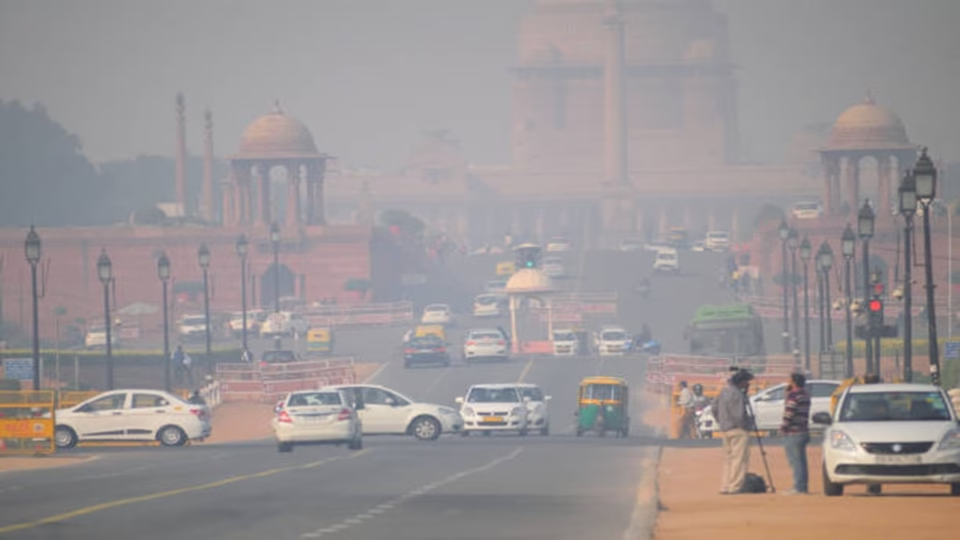
New Delhi, India : The national capital continues to grapple with hazardous air conditions as the Air Quality Index (AQI) remained in the ‘very poor’ category for the seventh consecutive day. According to the Central Pollution Control Board (CPCB), Delhi recorded an average AQI of 398, just shy of the ‘severe’ threshold.
Out of 40 monitoring stations across the city, 21 reported AQI levels in the ‘severe’ category, indicating dangerously high concentrations of pollutants. Areas such as DTU, Burari, Chandni Chowk, Anand Vihar, Mundka, Okhla, Bawana, and Wazirpur registered AQI readings above 400, placing them firmly in the most critical zone.
On Wednesday morning, 18 stations had already breached the ‘severe’ mark, underscoring the persistent nature of the pollution spike. Health experts warn that such levels can adversely affect even healthy individuals, increasing the risk of respiratory and cardiovascular issues.
With readings hovering near the upper end of the scale, Delhi’s air quality is expected to remain in the ‘very poor to severe’ range for the next several days, according to forecasts from the Ministry of Earth Sciences.
Weather Conditions Add to Pollution Woes
The India Meteorological Department (IMD) reported a minimum temperature of 11.4°C, which is 0.9°C below the seasonal average. The maximum temperature is expected to reach around 27°C. Relative humidity stood at 95% at 8:30 AM, contributing to the formation of smog and reducing visibility across parts of the city.
Meteorologists warn that cooler temperatures and high humidity can trap pollutants closer to the ground, worsening air quality. Shallow fog is also expected during early morning hours through the weekend.